
Coverage line
Contractors Equipment Insurance for Fiber Optic Contractors
Inland marine coverage for the directional drills, bucket trucks, fusion splicers, locators, and reels your crew moves between job sites and across state lines — protected in transit and at the remote, unattended job site.

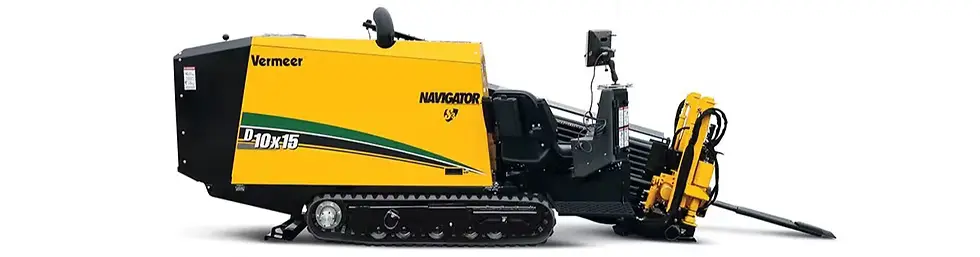
Most of what a fiber contractor owns does not sit still. The directional drill, the bucket truck and its boom, the fusion splicers, the OTDRs and locators, the reels, the trailers full of hand tools — they live on the move, traveling from the yard to one job site and on to the next, often across state lines to follow the work. Contractors equipment insurance, a form of inland marine, is the property coverage built for exactly that: gear that travels, rather than property bolted to one address.
This is the line that fills the gap a building policy leaves open. A commercial property policy is tied to a fixed location and largely stops at the property line — it is the wrong tool for a high-value drill rig that spends its life on trailers and remote job sites. Inland marine follows the equipment wherever it goes, which for a working fiber crew chasing builds across states is almost everywhere except the yard.
What it covers — and what it does not
Contractors equipment covers your owned movable equipment against sudden, accidental physical loss — theft, fire, vandalism, collision damage in transit, and similar perils — whether the gear is in the yard, on the road, or at a job site. It is usually arranged in two layers: scheduled coverage that lists higher-value machines individually — the directional drill, the bucket-truck boom, the splicers — and blanket coverage that sets a single limit for the pool of smaller tools and locators. It can also be extended to rented and leased equipment, which matters when you bring in a machine for a specific bore or build.
It is not a catch-all. It does not cover the truck or trailer themselves — that is commercial auto, which covers the vehicle while this policy covers the equipment mounted on or carried by it. It generally does not respond to ordinary wear, mechanical or electrical breakdown, or rust and corrosion — those are maintenance, or a separate equipment-breakdown exposure. And it does not cover injuries or third-party damage your equipment causes, including an underground utility strike; that liability sits with general liability and, for the environmental side of an underground hit, pollution liability. Inland marine answers for the equipment as property — its loss, not the harm it does.
How contractors equipment works specifically for fiber optic contractors
The fiber trade concentrates equipment risk in two places, and the diagram below maps them. The first is transit: gear moving between accounts and across state lines all season is exposed to road accidents, shifting loads, and falls from the trailer. The second — and the one that produces the most painful losses — is the remote, unattended job site. A directional drilling build can leave a six-figure drill rig parked at a site overnight or across a weekend, and that equipment is a well-known theft target out where no one is watching. An aerial crew leaves the bucket truck and its mounted boom on site, and a splicing crew leaves fusion splicers and OTDRs that are small, valuable, and easy to walk off. Contractors equipment is the coverage that travels with all of it.
Common claim categories
These are the categories underwriters expect on a fiber-contractor equipment file, described qualitatively and with generic carrier language — every claim is handled by the carrier, never named here.
- Theft from a remote, unattended job site. A drill, bucket truck, or splicers left at a site overnight or over a weekend are taken — the highest-severity exposure for crews running heavy, high-value machines far from the yard.
- In-transit damage. A road accident, a shifted load, or a fall from the trailer damages equipment while it is moving between accounts or across state lines.
- On-site accidental damage. A machine is dropped, struck, or damaged during the work — not the harm it causes others, but loss to the equipment itself.
- Rented or leased equipment loss. A machine you brought in under a rental contract for a bore or build is damaged or stolen, and the contract makes you responsible for it.
Limits and structure
Contractors equipment is structured around your actual inventory: a schedule of higher-value machines each carrying its own limit, a blanket limit for smaller tools and locators, deductibles set per loss, and — where relevant — a sublimit for rented or leased equipment. The drivers are what you own, what it would cost to replace today, how and where it travels, and your loss history. Rather than quote a figure, we build the schedule from your equipment list and your replacement reality, and we confirm any security conditions the form attaches to unattended-site theft so a claim is not denied on a condition you never knew about.
Why Fiber Optic Guard Insurance
We write one trade, and we know the equipment that trade runs on. We know the difference between scheduling a directional drill and blanketing a truck full of hand tools, we ask where your machines spend the night before quoting, and we make sure the boom and gear riding on your bucket truck are insured as equipment rather than left to the commercial auto policy that does not cover them. We place this coverage with carriers that want the fiber-contractor class and understand how movable a traveling crew really is. Start with a quote, or call and walk us through your equipment list.
Learn more
Coverage questions, answered
- Is a Directional Drill Covered If It’s Stolen From a Job Site?
- Does Equipment Insurance Cover a Fusion Splicer Damaged in Transit?
Equipment coverage sits between two lines contractors often confuse it with. It hands off to commercial auto at the vehicle and to commercial property at the fixed yard, and it works alongside general liability for the harm your equipment can cause. How much high-value gear you move depends on the work — compare a heavy-machine Directional Drilling build, an aerial Overhead Fiber Installation crew, and a precision Fiber Splicing operation.
Insurance by fiber operation
- Directional Drilling Insurance
- Overhead Fiber Installation Insurance
- Fiber Splicing Insurance
- Where we are licensed
Primary sources
Frequently asked questions about Contractors Equipment Insurance
What is contractors equipment insurance, and is it the same as inland marine?
Contractors equipment insurance is a form of inland marine coverage — the property line built for things that move rather than things that stay put. It covers the directional drill, the bucket-truck body and boom, the fusion splicers, the OTDRs and locators, the reels, trailers, and small tools a fiber crew hauls from job to job, wherever they happen to be: in the yard, on the trailer, or sitting at a remote job site. A standard property policy is tied to a fixed address and largely stops at the property line, which is exactly the gap inland marine fills for gear that travels across state lines.
Does it cover equipment stolen from a remote, unattended job site?
That is one of the core reasons fiber crews carry it. A directional drill, a bucket truck, or fusion splicers left at a remote site overnight or over a weekend are a known theft target, and the loss can be severe — these are high-value machines parked far from the yard. Contractors equipment coverage is designed to respond to theft and damage where the gear sits unattended, subject to the policy’s terms and any required security conditions. We walk through how the form treats unattended-site theft before you bind so there is no surprise in the claim.
Is my equipment covered while it is in transit between states?
Yes — coverage in transit is central to inland marine, and it is built for crews that follow the work across state lines. Whether the drill rig, splicers, and reels are riding in the truck or strapped to a trailer between an out-of-state build and the next, contractors equipment follows the gear. This is distinct from commercial auto, which covers the truck and the trailer themselves but not the equipment they carry. The two policies hand off to each other, and we make sure the equipment is scheduled so nothing falls through the seam on the road.
How is this different from commercial auto for my bucket truck?
It comes down to the vehicle versus the equipment mounted on or carried by it. Commercial auto covers the truck itself — the cab, chassis, and the trailer — and its road liability. Contractors equipment covers the gear: the bucket-truck boom and body as mounted equipment, the drill, the splicers, the reels, and the tools. A bucket truck is genuinely both, which is why the two policies are written to work together. We make sure the boom and mounted equipment are scheduled as equipment rather than assumed to ride on the auto policy, which often does not cover them.
What is the difference between scheduled and blanket equipment coverage?
Scheduled coverage lists higher-value items individually — the directional drill, the bucket truck’s mounted boom, the fusion splicers, the OTDRs — each with its own limit. Blanket coverage sets a single limit for the pool of smaller tools and accessories you do not want to list one by one. Most fiber operations use both: schedule the big-ticket machines, blanket the hand tools, locators, and accessories. We build the schedule around what you actually own and how you would replace it.
Does contractors equipment cover rented or leased machines?
It can, and for crews that bring in a specialty machine for a stretch of work it often needs to. When you rent a larger drill for a deep bore or lease a piece of equipment for a particular build, the rental contract usually makes you responsible for damage to it. Contractors equipment can be arranged to cover rented and leased equipment so that responsibility is insured rather than out of pocket. Tell us when leasing is part of how you work and we will make sure the form addresses it.
Insure the high-value gear your fiber crew runs on
Tell us what you own and where it travels, and we will market it to carriers that write the fiber-contractor class.